

Hair Growth in Your 30s: Stress, Hormones & Early Thinning Explained
Hair growth in your 30s doesn’t suddenly stop, but it does start to change in ways most people don’t expect.
At first, it’s easy to overlook. A few more strands in the shower. A part that looks slightly wider. A ponytail that feels just a bit thinner than it used to. Nothing dramatic, just enough to notice, not enough to worry about.
That’s exactly why it gets ignored.
But here’s the reality: hair growth in your 30s is often where early thinning begins, driven by a mix of stress, hormonal shifts, and subtle changes in your hair cycle. What feels temporary can quietly become progressive if left unaddressed.
The upside? This is also the stage where you have the most control. Your follicles are still responsive, and with the right approach, you can stabilise shedding and support stronger regrowth before the problem escalates.
If you want the bigger picture, it helps to understand how these changes evolve over time. Our guide on hair loss by age where we break down what happens in your 30s, 40s, and beyond, and why your routine needs to evolve with it.
Why Hair Changes Start in Your 30s
Hair doesn’t suddenly start falling out at a specific age. What happens instead is a gradual shift in how your hair grows, sheds, and recovers. In your 30s, three main factors begin to overlap:
- increased stress exposure
- hormonal fluctuations
- early follicle sensitivity
Individually, these might not cause major concern. Together, they can begin to disrupt your hair growth cycle. The shift isn’t always dramatic, but it is cumulative since you you may not see obvious bald spots or severe thinning. Instead, it shows up as more frequent shedding, slower regrowth, slightly finer strands, and reduced overall volume. These early signals matter because ignoring them doesn’t make them go away, it just allows them to progress.
Why Stress Affects Your Hair
Stress is one of the most underestimated triggers of hair changes in your 30s. From work pressure, lifestyle demands, lack of sleep, emotional stress, and even illness can push more hair follicles into the resting phase. This leads to a condition often referred to as stress-related shedding.
When your body is under prolonged stress it prioritises essential functions over hair growth, then disrupts the natural growth cycle leading to increase of shedding a few months after the stress event.
This is why hair loss can feel delayed. You experience stress now, but the shedding shows up later. Since stress is already part of our life, your routine needs to support recovery and not just growth.
That includes:
- maintaining scalp health
- reducing buildup that can interfere with follicles
- supporting consistent hair cycles
If you want a deeper breakdown, you can explore our guide on the silent cause of hair stress and how it can disrupts your hair growth cycle.
How Hormones Influence Hair in Your 30s
Hormonal changes aren’t something that only happen later in life, they can already start influencing hair growth in your 30s, often without you realising it. Shifts linked to pregnancy and postpartum recovery, changes in contraceptive use, thyroid imbalances, or conditions like PCOS can all affect how your hair grows, sheds, and recovers. Even general hormonal fluctuations can quietly disrupt your hair cycle over time.
Furthermore, hormones play a direct role in regulating growth phases, maintaining hair thickness, and supporting overall follicle health. So when that balance is off, the effects tend to show up gradually: more shedding than usual, slower regrowth, and strands that feel finer or less dense.
Unlike stress-related hair fall, which is often temporary, hormone-driven changes can be more persistent, making early awareness and the right support essential if you want to prevent long-term thinning.
Early Thinning: What It Actually Looks Like
One of the biggest misconceptions is that hair loss needs to be obvious before it becomes a problem.

In your 30s, early thinning is often subtle:
- your part line looks slightly wider
- your scalp is more visible under light
- your hair feels less dense when tied
- regrowth doesn’t feel as strong as before
These are not random changes. They are early indicators that your hair cycle is being disrupted. Most people mistake is waiting until thinning becomes visible to others because by then, the process has already progressed.
What Still Works in Your 30s And Why This Stage Matters Most
This is the highest-leverage stage for intervention. Your follicles are still active, your hair cycles are still relatively responsive, and your ability to stabilise shedding is stronger compared to later decades.
The foundations is actually what really matters and that foundation starts of with treating your scalp better. A lot of advice focuses on quick fixes, but that's not what works here.
What works is having consistent scalp care to maintain a healthy growth environment, treating early support for shedding and thinning, avoiding constant product switching, and mostly, building a routine that matches your actual hair condition
If you compare this to hair care in your 40s or 50s, the difference is clear: in your 30s, you are still in a position to prevent progression, not just manage it.
Where Most People Go Wrong
This is where progress usually breaks down.
- Dismissing early signs saying “it’s just stress” or “it will grow back” that kind of reaction to the signs delays reaction.
- If you're constantly chasing trends that you see while you're doomscrolling on your phone, where you try every viral product without understanding your hair needs leads to inconsistent results.
- Hair growth takes time and a lack of routine consistency can damaged your hair since without consistency it usually resets the progress.
- Just like on skincare, everyone works differently and if you don't approach this personally will damage your hair too. What works for someone else may not work for you, especially when stress, hormones, and scalp condition vary.
Building a Smarter Routine in Your 30s
This is a simple trick that most doesn't even need a mathwork to figure out. You just have to stick with 3 steps and by then you can follow or do it on your own.
Step 1: Support your specific hair concerns
First and foremost, you have to addresss the problem and this is where most people guess, and where most routines fail. If your hair changes are driven by stress, hormonal shifts, or early thinning, your routine should reflect that. A one-size-fits-all “hair growth” product is rarely enough.
Step 2: Cleanse and reset your scalp
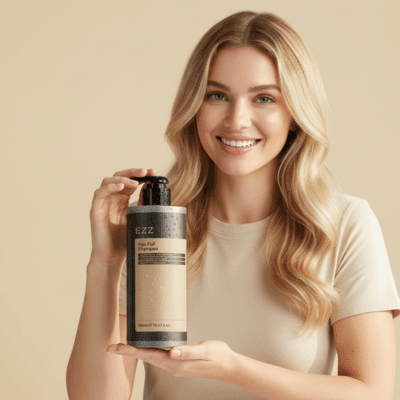
If you already know the problem, the next step is to build a routine that actually supports regrowth. Start with Hair Growth Full Shampoo, to cleanse away styling residue, excess oil, and daily buildup, because these can block follicles and reduce how well your treatments work.
A clean scalp gives your routine a proper foundation and helps active ingredients absorb more effectively. To support scalp treatment, look for ingredients with real evidence behind them like the niacinamide where it helps calm irritation and strengthen the scalp barrier, salicylic acid gently clears buildup around follicles, caffeine can help stimulate the scalp environment, rosemary extract supports circulation, and peptides help improve hair strength over time.

If your scalp is dry or sensitive, ingredients like panthenol (pro-vitamin B5) and hyaluronic acid can help maintain hydration and reduce irritation, which is essential for consistent hair growth support.
Step 3: Stay consistent long enough to see results
Hair cycles take time. If you are switching products every few weeks, you are interrupting your own progress. Consistency is what stabilises shedding and supports regrowth over time.
A More Personalised Way to Approach Hair Growth
If you’ve already tried the basics and still feel unsure what your hair actually needs, that’s usually a sign the issue isn’t effort, it’s direction. Jumping from one product to another without a clear strategy often leads to frustration.
This is where EZZ DNA fits naturally into the journey. Instead of relying on generic recommendations, it supports a more personalised starting point, helping guide your routine based on your current hair stage and concerns. That shift reduces guesswork and makes your routine more effective from the start.
Paired with a consistent foundation, start with proper scalp cleansing because this approach helps you move from trial-and-error to a more structured system.
When to Take Action
If you are noticing:
- increased shedding
- slower regrowth
- early signs of thinning
- changes in hair texture or density
then this is the right time to act. Waiting for more visible thinning only reduces your ability to reverse or stabilise the process.
Final Takeaway
Hair growth in your 30s is not about reacting to loss, it’s about recognising early changes and adjusting your routine before they progress.
Stress, hormones, and early thinning are not separate issues. They often work together. That’s why your approach needs to be consistent, targeted, and aligned with your actual hair condition.
If you get this stage right, you are not just improving your hair now, you are protecting it for the years ahead.


